

HOW THE EAA WILL IMPACT YOUR GAME: WHAT STUDIOS NEED TO KNOW FOR 2025
Not long after the CVAA raised the bar for accessible communication in games, the landscape is shifting once again. The European Accessibility Act (EAA), coming into force across the EU on June 28, 2025, is set to raise expectations for accessibility even higher.
For game developers, this is a pivotal moment—one that’s rewriting the rules of who gets to play, connect, and belong.
In an era where legislation, accolades, and player demands converge, the question is no longer if accessibility matters. It’s about whether your studio is ready to rise to the challenge and shape its legacy.
Will your game set new standards and welcome millions of new players, or will an oversight in accessibility lead to missed opportunities and exclusion from one of the world’s largest gaming markets?
WHAT IS THE EUROPEAN ACCESSIBILITY ACT AND WHY SHOULD GAME DEVELOPERS CARE?
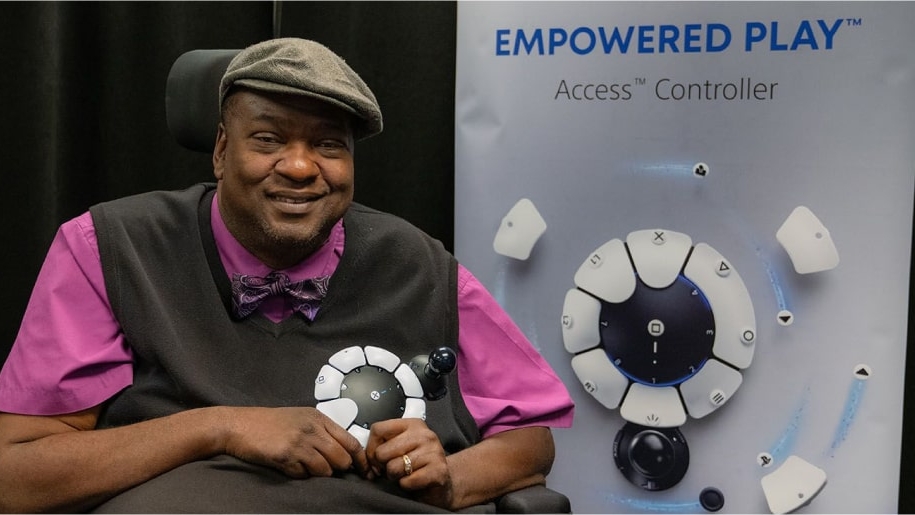
The European Accessibility Act is a landmark directive from the European Union aimed at harmonizing accessibility requirements for products and services across member states. Its primary goal is to ensure that persons with disabilities have equal access to digital and physical goods, removing barriers to participation in everyday life and commerce.
The measure was approved in June 2019 and incorporated into the national legislation of EU member states by the summer of 2022. From June 28, 2025 onward, all products introduced to the market, as well as any content or services provided to consumers, must adhere to these requirements.
The consequences of non-compliance can be significant for studios that fall under EAA coverage.
Beyond the moral imperative to create inclusive experiences for players of all backgrounds, studios risk hefty fines, mandated service modifications, or potential exclusion from European markets.
Here’s how EAA applies to the games industry, based on what we know so far:
1. While the EAA does not explicitly mention video games, it covers many digital services integral to modern gaming experiences, such as in-game communication and monetization features.
2. The EAA applies to all in-game services “offered to consumers,” regardless of when the game (as a product) was originally released. Bringing any covered services up to standard will resolve potential non-compliance issues.
3. The directive’s requirements are grounded in internationally recognized accessibility principles, most notably the POUR framework (Perceivable, Operable, Understandable, Robust), and the EN 301 549 standard for information and communication technologies.
4. Microenterprises (businesses with fewer than 10 employees and an annual turnover under €2 million) are exempt from EAA’s accessibility requirements for service providers. This means a large portion of indie game devs may not be subject to these new laws.
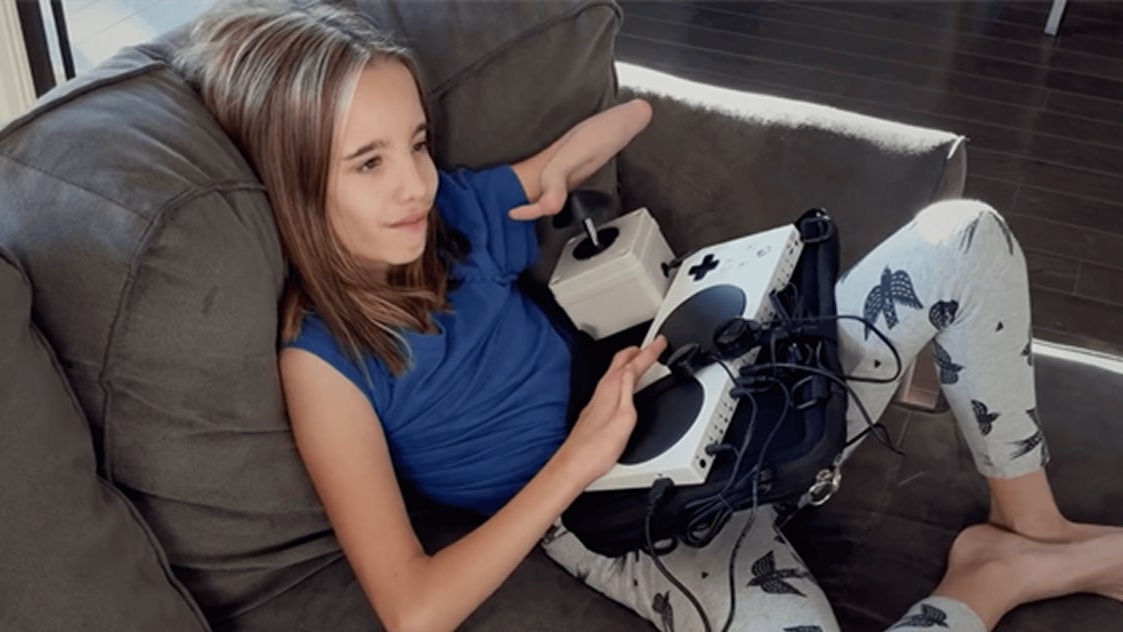
Disclaimer: The information provided in this article is distributed for informational and educational purposes only and does not constitute legal advice. While Sprung Studios Ltd. offers expertise to help make your game more accessible, we do not provide legal services or assume liability for regulatory compliance. For specific guidance regarding the EAA or any legal requirements, please consult your legal counsel.
WHAT IS THE EUROPEAN ACCESSIBILITY ACT AND WHY SHOULD GAME DEVELOPERS CARE?
The European Accessibility Act is a landmark directive from the European Union aimed at harmonizing accessibility requirements for products and services across member states. Its primary goal is to ensure that persons with disabilities have equal access to digital and physical goods, removing barriers to participation in everyday life and commerce.
The measure was approved in June 2019 and incorporated into the national legislation of EU member states by the summer of 2022. From June 28, 2025 onward, all products introduced to the market, as well as any content or services provided to consumers, must adhere to these requirements.
The consequences of non-compliance can be significant for studios that fall under EAA coverage.
Beyond the moral imperative to create inclusive experiences for players of all backgrounds, studios risk hefty fines, mandated service modifications, or potential exclusion from European markets.
Here’s how EAA applies to the games industry, based on what we know so far:
1. While the EAA does not explicitly mention video games, it covers many digital services integral to modern gaming experiences, such as in-game communication and monetization features.
2. The EAA applies to all in-game services “offered to consumers,” regardless of when the game (as a product) was originally released. Bringing any covered services up to standard will resolve potential non-compliance issues.
3. The directive’s requirements are grounded in internationally recognized accessibility principles, most notably the POUR framework (Perceivable, Operable, Understandable, Robust), and the EN 301 549 standard for information and communication technologies.
4. Microenterprises (businesses with fewer than 10 employees and an annual turnover under €2 million) are exempt from EAA’s accessibility requirements for service providers. This means a large portion of indie game devs may not be subject to these new laws.
Disclaimer: The information provided in this article is distributed for informational and educational purposes only and does not constitute legal advice. While Sprung Studios Ltd. offers expertise to help make your game more accessible, we do not provide legal services or assume liability for regulatory compliance. For specific guidance regarding the EAA or any legal requirements, please consult your legal counsel.
WHAT GAME FEATURES FALL UNDER THE REGULATION?
“Does EAA apply to games, as well?”
This misconception has become common in recent years, likely because video games aren’t explicitly listed among the product categories covered by the EAA. However, the EAA addresses not only products but also services—so when games include relevant services, those aspects do fall under its scope. Understanding these scopes and the nuances they pertain to helps studios prioritize compliance efforts and integrate accessibility where it matters most:
1. Digital Communication Services
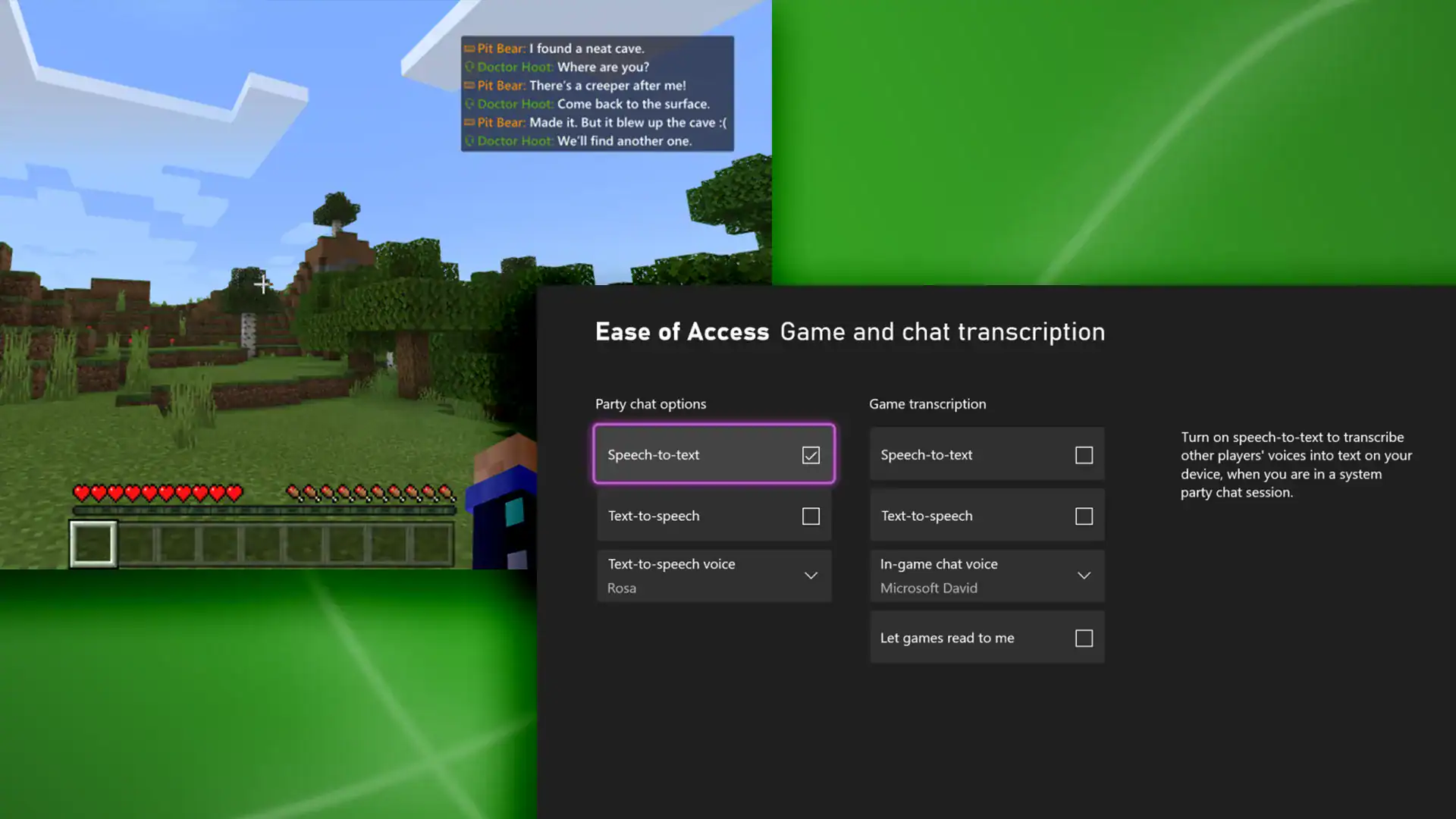
If you have a video chat feature in a live game, you must also provide “total conversation service”. In other words, allow players to communicate using any combination of voice, visuals, and text that suits their preferences.
If your game already offers real-time text chat or voice chat, these features must be accessible to all players and compliant with the EAA, including those using assistive technologies or alternative input methods.
2. E-Commerce/Monetization Features
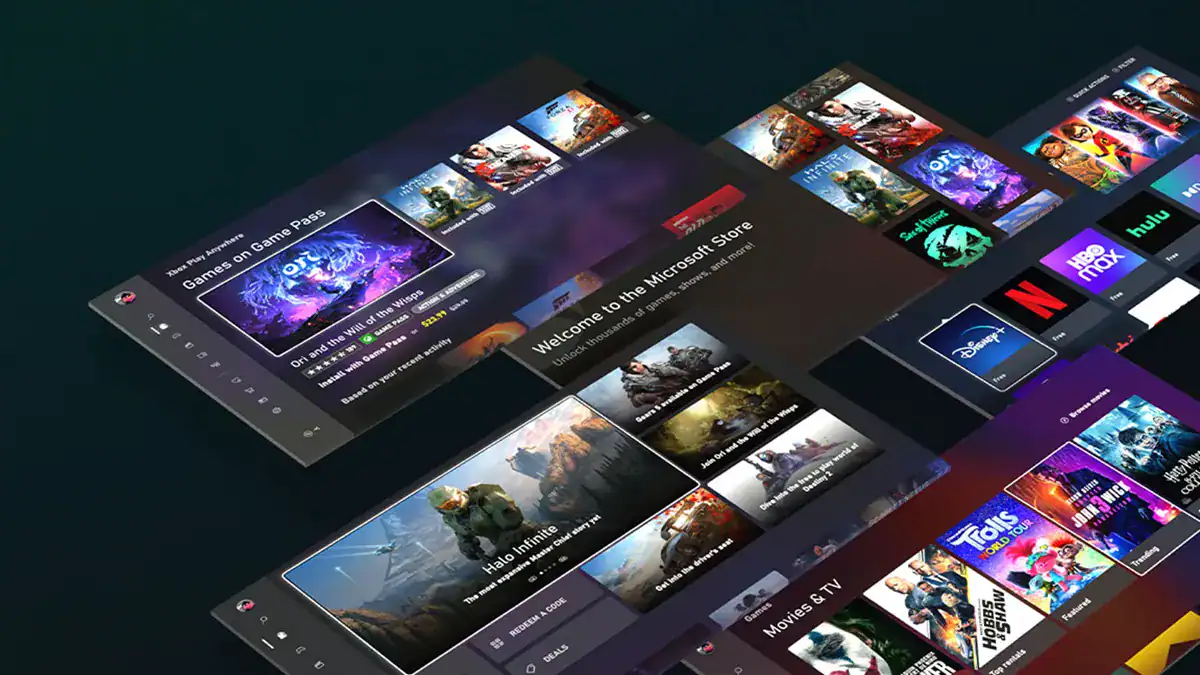
Any in-game e-commerce service (whether it involves microtransactions, downloadable content [DLC], or digital goods sold via a website or mobile app) must be made fully accessible to all players under EAA.
This means that every step of the purchasing process, from browsing to checkout, should be usable by people with a wide range of disabilities. Applying the POUR Accessibility Principles helps studios guarantee that digital storefronts and transactions are accessible to all players.
3. Platforms and Launchers
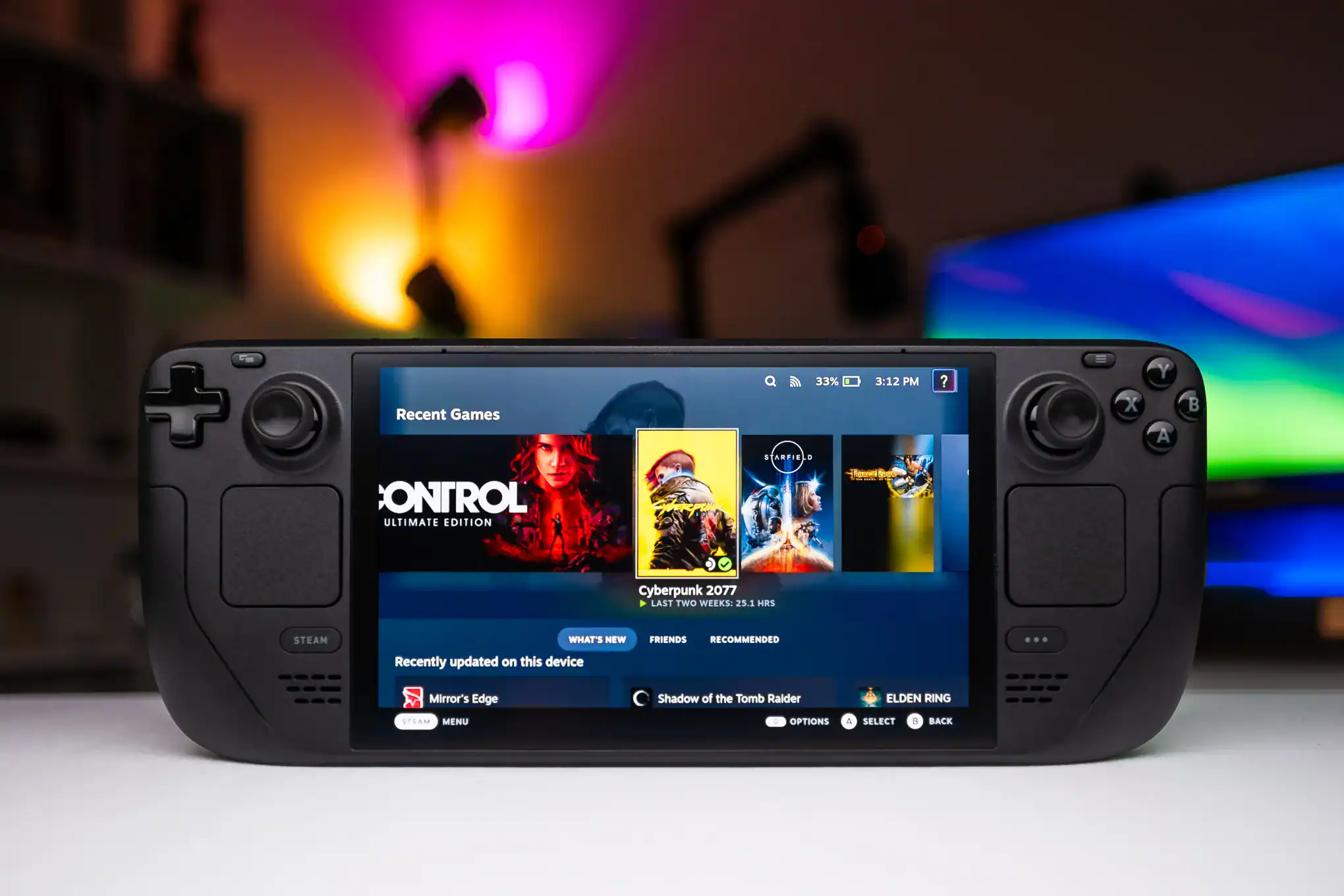
While the EAA does not directly regulate game content, it does require that platforms and operating systems used to access games, such as PC launchers and consoles. This covers both hardware and software, requiring accessible navigation, compatibility with assistive tech, and compliance with standards like EN 301 549 and WCAG 2.1 as benchmarks.
Companies must also provide accessibility statements outlining their efforts and options for support, ensuring equal access across the gaming ecosystem.
WHAT GAME FEATURES FALL UNDER THE REGULATION?
“Does EAA apply to games, as well?”
This misconception has become common in recent years, likely because video games aren’t explicitly listed among the product categories covered by the EAA. However, the EAA addresses not only products but also services—so when games include relevant services, those aspects do fall under its scope. Understanding these scopes and the nuances they pertain to helps studios prioritize compliance efforts and integrate accessibility where it matters most:
1. Digital Communication Services
If you have a video chat feature in a live game, you must also provide “total conversation service”. In other words, allow players to communicate using any combination of voice, visuals, and text that suits their preferences.
If your game already offers real-time text chat or voice chat, these features must be accessible to all players and compliant with the EAA, including those using assistive technologies or alternative input methods.
2. E-Commerce/Monetization Features
Any in-game e-commerce service (whether it involves microtransactions, downloadable content [DLC], or digital goods sold via a website or mobile app) must be made fully accessible to all players under EAA.
This means that every step of the purchasing process, from browsing to checkout, should be usable by people with a wide range of disabilities. Applying the POUR Accessibility Principles helps studios guarantee that digital storefronts and transactions are accessible to all players.
3. Platforms and Launchers
While the EAA does not directly regulate game content, it does require that platforms and operating systems used to access games, such as PC launchers and consoles. This covers both hardware and software, requiring accessible navigation, compatibility with assistive tech, and compliance with standards like EN 301 549 and WCAG 2.1 as benchmarks.
Companies must also provide accessibility statements outlining their efforts and options for support, ensuring equal access across the gaming ecosystem.
AWARD-WINNING COLLABORATIONS: TURNING ACCESSIBILITY INTO A COMPETITIVE EDGE
The journey toward accessible gaming has been shaped by visionary titles that set new standards for inclusion. Games like The Last of Us Part 2 and Gears of War 5 proved that accessibility and world-class gameplay go hand in hand, inspiring the industry to reimagine what’s possible for every player.
At Sprung Studios, we’re proud to help our clients carry that momentum forward.
Over the past two decades, we’ve partnered with a diverse range of studios, from AAA trailblazers to innovative Indies, helping teams embed accessibility and inclusive UX-UI into their projects at all stages of development.
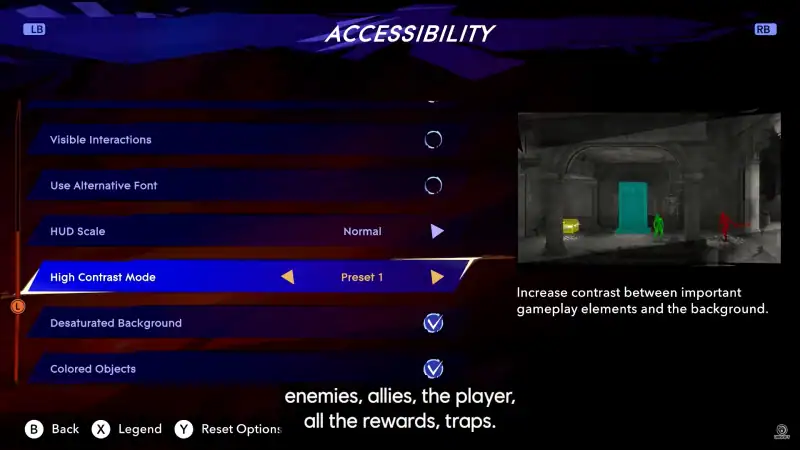
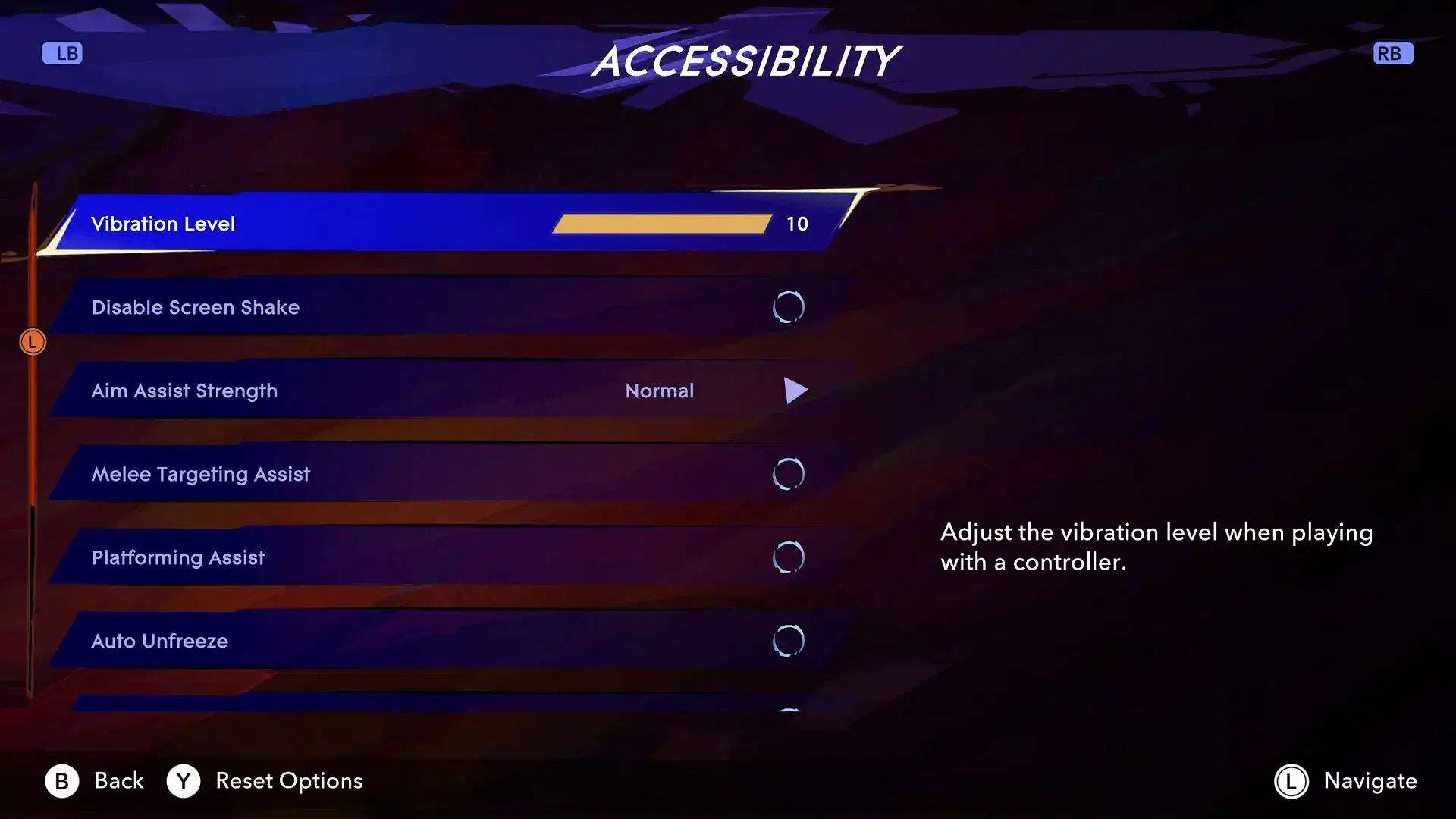
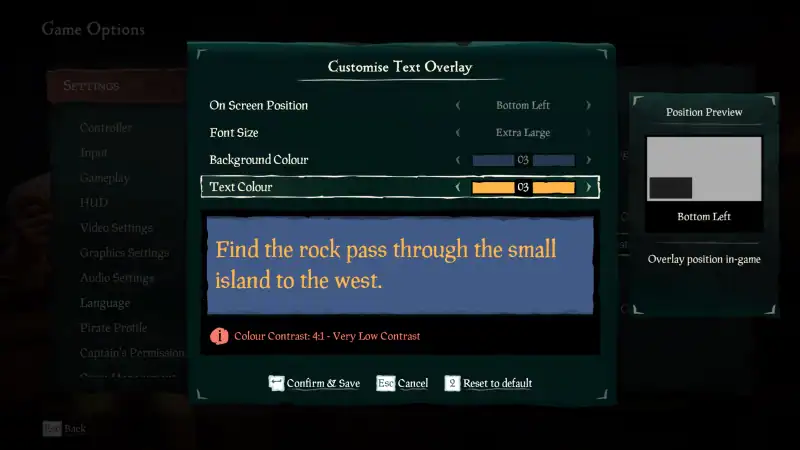
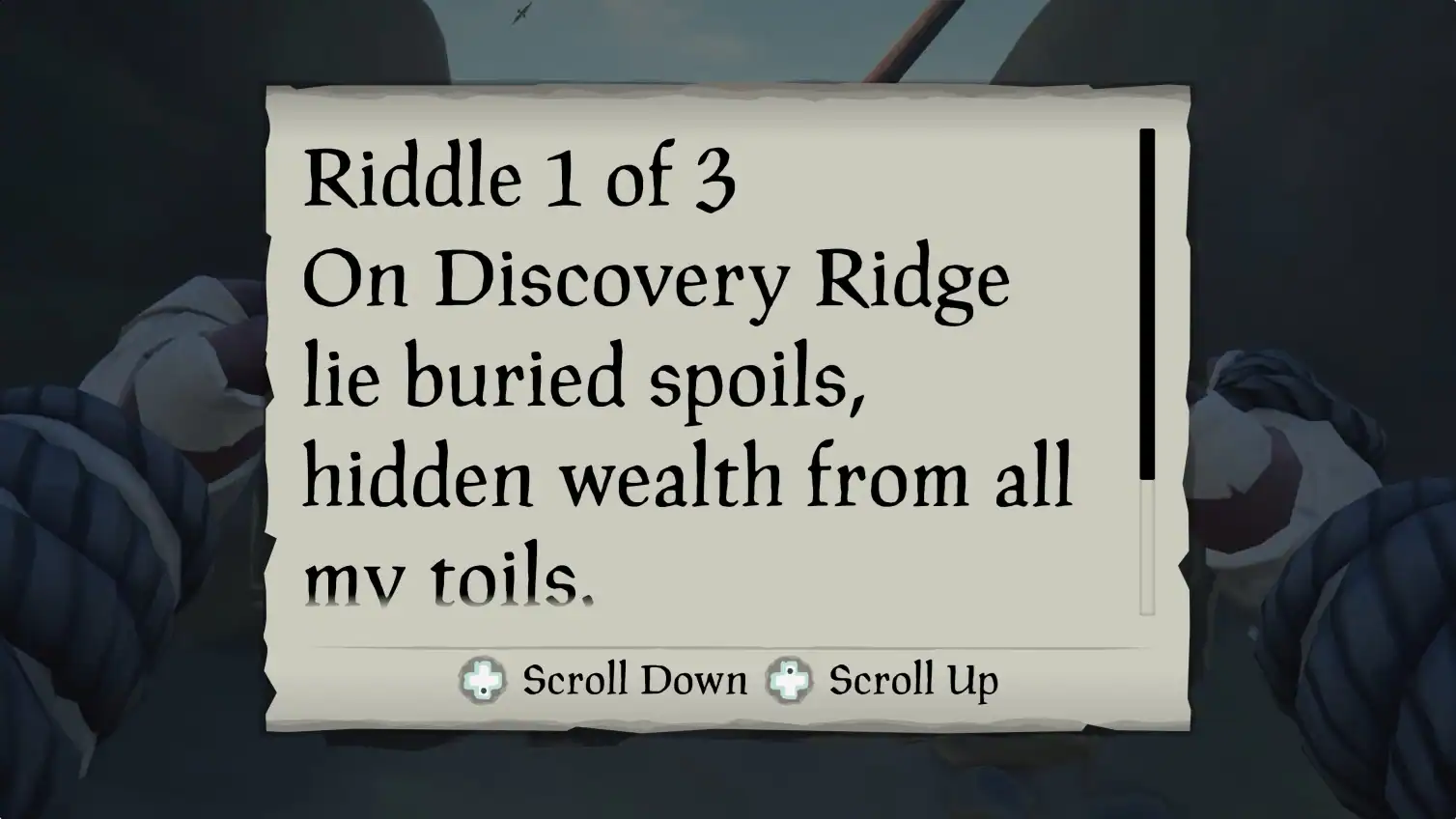
Our recent collaborations include supporting Ubisoft Montpellier on Prince of Persia: The Lost Crown and working with Rare on Sea of Thieves.
Both titles have earned industry recognition for their commitment to accessibility, with The Lost Crown winning the Innovation in Accessibility Award at The Game Awards 2024 for its thoughtful approach to the game’s core design, and Sea of Thieves receiving nominations at the 2025 Develop:Star and MCV Develop Awards for its innovative use of Custom Text Overlays.
These achievements reflect our dedication to helping visionaries not only meet evolving standards but also set new benchmarks for what’s possible in inclusive game design.
AWARD-WINNING COLLABORATIONS: TURNING ACCESSIBILITY INTO A COMPETITIVE EDGE
The journey toward accessible gaming has been shaped by visionary titles that set new standards for inclusion. Games like The Last of Us Part 2 and Gears of War 5 proved that accessibility and world-class gameplay go hand in hand, inspiring the industry to reimagine what’s possible for every player.
At Sprung Studios, we’re proud to help our clients carry that momentum forward.
Over the past two decades, we’ve partnered with a diverse range of studios, from AAA trailblazers to innovative Indies, helping teams embed accessibility and inclusive UX-UI into their projects at all stages of development.
Our recent collaborations include supporting Ubisoft Montpellier on Prince of Persia: The Lost Crown and working with Rare on Sea of Thieves.
Both titles have earned industry recognition for their commitment to accessibility, with The Lost Crown winning the Innovation in Accessibility Award at The Game Awards 2024 for its thoughtful approach to the game’s core design, and Sea of Thieves receiving nominations at the 2025 Develop:Star and MCV Develop Awards for its innovative use of Custom Text Overlays.
These achievements reflect our dedication to helping visionaries not only meet evolving standards but also set new benchmarks for what’s possible in inclusive game design.
BRIDGING THE GAP: HOW SPRUNG EMPOWERS GAME DEVS TO SUCCEED
Changing landscapes like the EAA and GSPR aren’t just requirements to abide by; they are an invitation to build a future where every player belongs. Let’s create that future together.
Whether you’re looking to assess a current build, validate new features, or overhaul your UX-UI for compliance and player satisfaction, our team of experts is here to help you move forward with confidence and clarity.
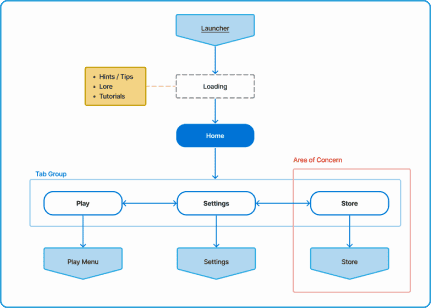
Expert Reviews & Audits
Conduct thorough usability and accessibility audits, pinpointing barriers and strengths while getting clear priorities to guide your strategy.
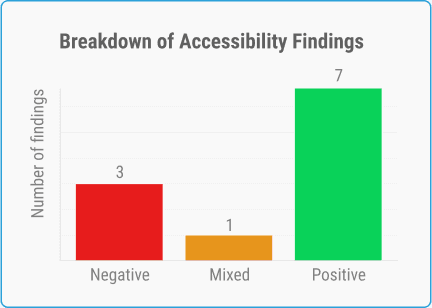
Playtesting & Rapid Insights
Our bespoke sessions include participants with diverse backgrounds, delivering actionable insights that reflect authentic player experiences.
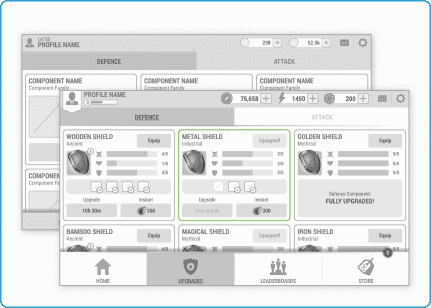
Design & Implementation
Go beyond recommendations. Partner with our team to design and implement UI, ensuring accessibility wins align with business goals.
BRIDGING THE GAP: HOW SPRUNG EMPOWERS GAME DEVS TO SUCCEED
Changing landscapes like the EAA and GSPR aren’t just requirements to abide by; they are an invitation to build a future where every player belongs. Let’s create that future together.
Whether you’re looking to assess a current build, validate new features, or overhaul your UX-UI for compliance and player satisfaction, our team of experts is here to help you move forward with confidence and clarity.
Expert Reviews & Audits
Conduct thorough usability and accessibility audits, pinpointing barriers and strengths while getting clear priorities to guide your strategy.
Playtesting & Rapid Insights
Our bespoke sessions include participants with diverse backgrounds, delivering actionable insights that reflect authentic player experiences.
Design & Implementation
Go beyond recommendations. Partner with our team to design and implement UI, ensuring accessibility wins align with business goals.